Showing 196–210 of 237 Books
-
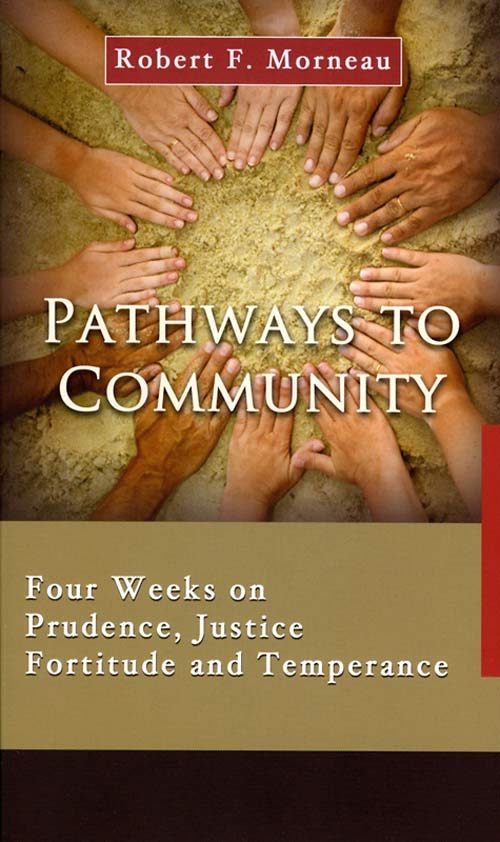
In Pathways to Community, well-known author Robert F. Morneau helps readers to focus on their relationships to others and to the larger society by offering a month worth of daily reflections on prudence, justice, fortitude, and temperance.
-
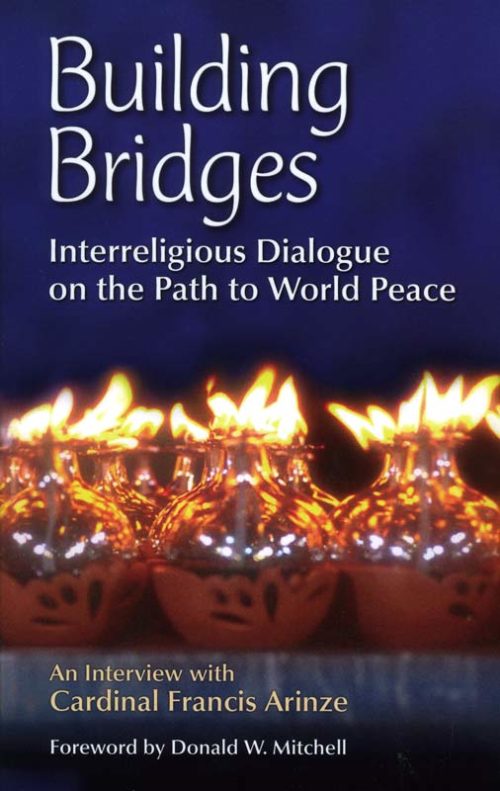
Today, more and more people of different religions have the chance to meet. How should they interact with each other in order to foster mutual understanding and respect? What problems might this new world of dialogue create? Will it lead to compromising one’s faith? Cardinal Francis Arinze answers these and many other timely questions in this engaging and enlightening interview.
-
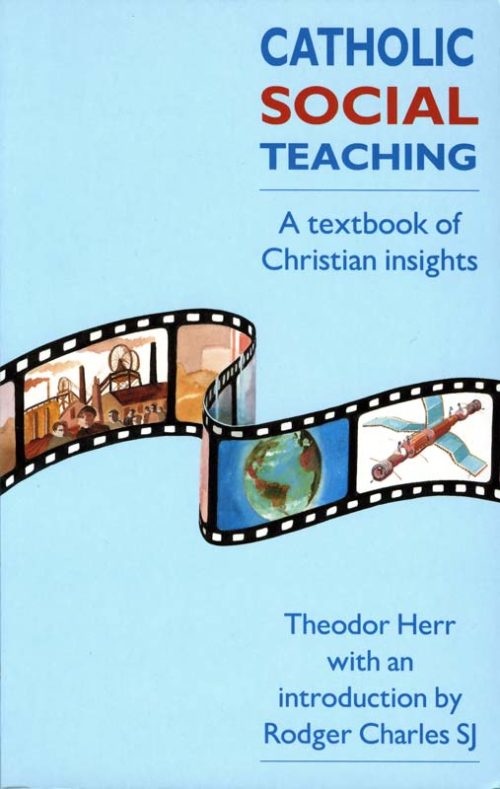
This book deals with all the essentials of Catholic social teaching in a concise way, but without oversimplification.
-
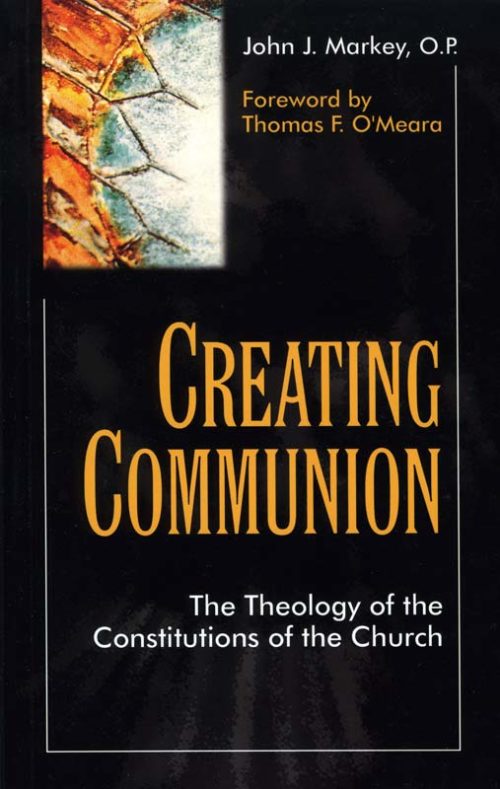
A fresh and refreshing look at the meaning of “communion” in the documents of the Second Vatican Council. John Markey has laid out a bold and insightful theological vision of the Church that will help guide us.
-
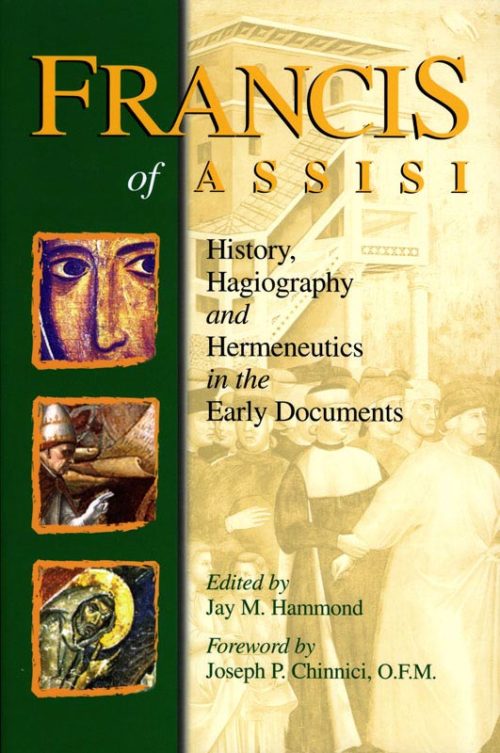
This work is composed of essays by significant scholars in Franciscan theology, history, and hagiography.
-
This anthology offers special insights into the sufferings and joys we meet as we grow in maturity, whether as a result of passing years or of spiritual experience. The contributors range from Teresa of Avila to Mother Teresa, from Julian of Norwich to Teilhard de Chardin.
-
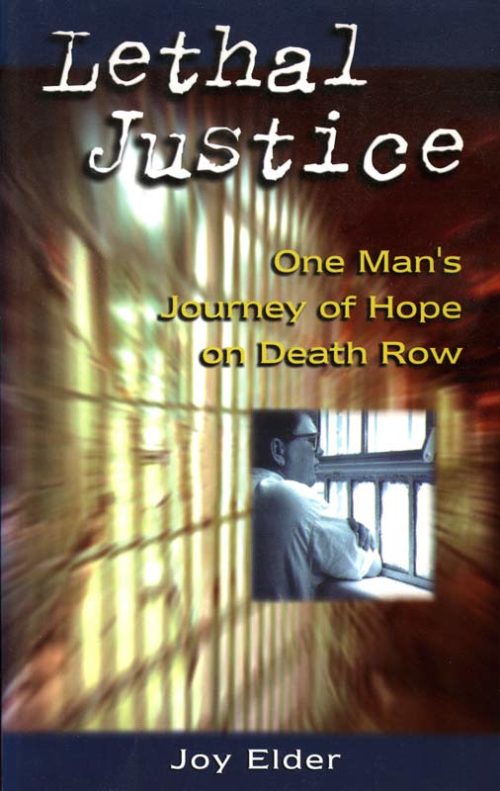
This is the moving, true story of Lesley Gosch, sent to death row in Texas after being accused, questionably, of murder. It is based on the exchange of letters between him and the author, a Welsh nun, who also visited him.
-
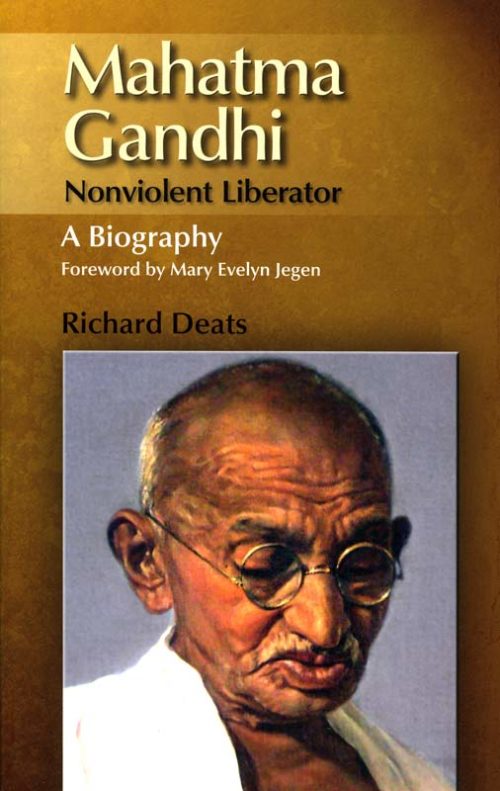
Richard Deats’ analysis of Gandhi’s search for God and the value of nonviolence is very readable and insightful. Gandhi always believed one cannot find God without first understanding and living a nonviolent lifestyle. This book shows us the way to higher thinking and higher living.
-
This collection of texts highlights the powerful action of the Holy Spirit at the beginning of the Focolare Movement. It helps us to enter into the intimacy of Chiara Lubich’s relationship with the Holy Spirit and how she communicated to others her passion that he, the ‘unknown God’ may be known, welcomed and loved.
-
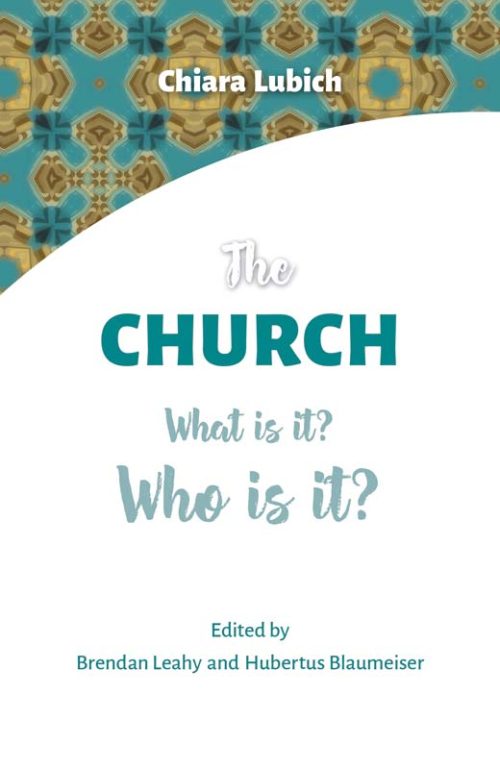
Chiara Lubich sees the Church as a living reality, an event of communion, and she gives a stimulating answer to the question, ‘What is the Church?’ She responds that it is not a ‘what’ but a ‘who’ because the Church is Jesus in the midst of his people. And the task of the Church is to be, within humanity, a catalyst for unity.
-
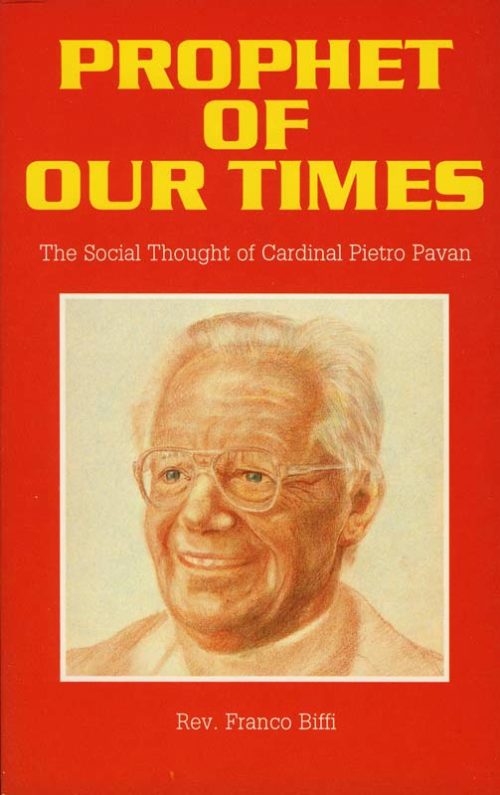
Not only was Pavan a principal collaborator of John XXIII in the drafting of the encyclicals Mater et Magistra and Pacem in Terris, but he also had a vital role in the preparation of two of the most important conciliar documents: the pastoral constitution Gaudium et Spes and the declaration on religious freedom.
-
This is a work from Augustine’s early life, just after his conversion, in which are visible all the seeds of his future writings. Here we see him as a philosopher, a thinker and a budding theologian. It is his personal prayer to his God of love and mercy.
-
Those seeking an excellent introduction, either to the thought of the mature Augustine, or those needing material for catechetical instruction in the parish would do well to consult this timeless classic.
-
Using the language of economics, the articles in this volume convey the principles at the root of the Economy of Communion and explain its unique characteristics within the context of current and historical economic thought and practice at both the micro and macro levels.