Showing 181–195 of 237 Books
-
This is a book about interreligious dialogue between Jews and Christians, but it is so much more. Truly, it is a dialogue for life, full of wisdom and experience that benefits readers in every aspect of life.
-
Leahy presents the movements as examples of the Church’s charismatic dimension, a principle which Pope John Paul II described as ‘co-essential’ with the hierarchical-institutional dimension.
-
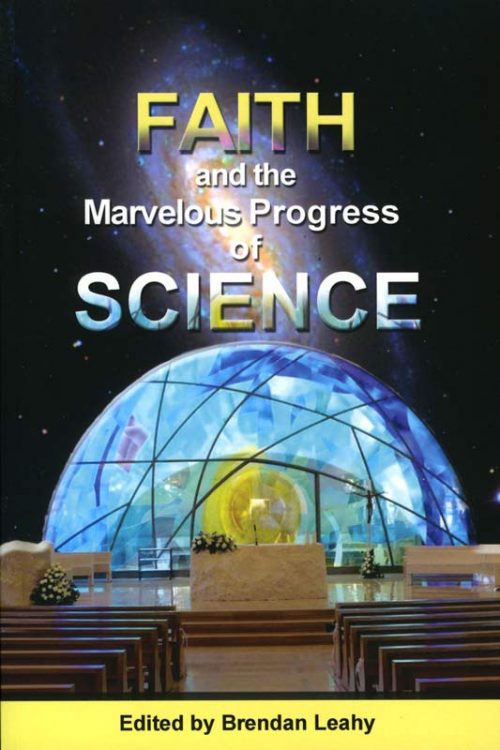
The contributors to this book write from a faith perspective but respectful of the place and role of science, both historically and today.
-
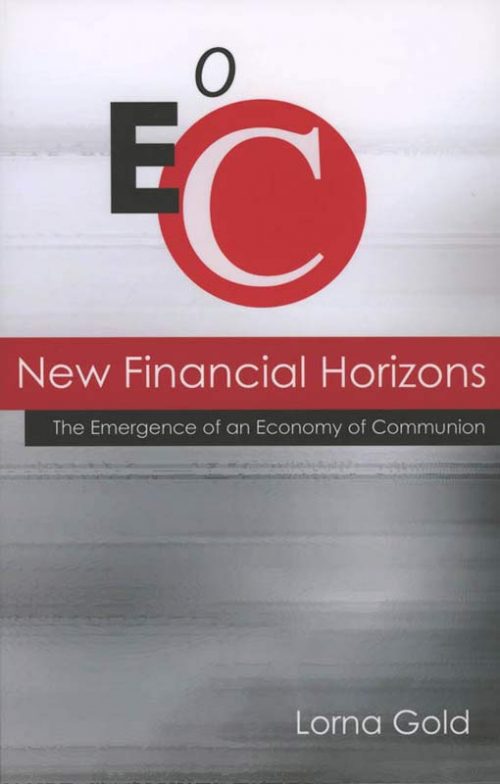
Gold examines the origins and substance of a promising alternative to the current globalized economy: the Economy of Communion. Benedict XVI cited the Economy of Communion in Caritas in Veritate as a promising form of intermediate activity between for-profit business and classic non-profit institutions.
-
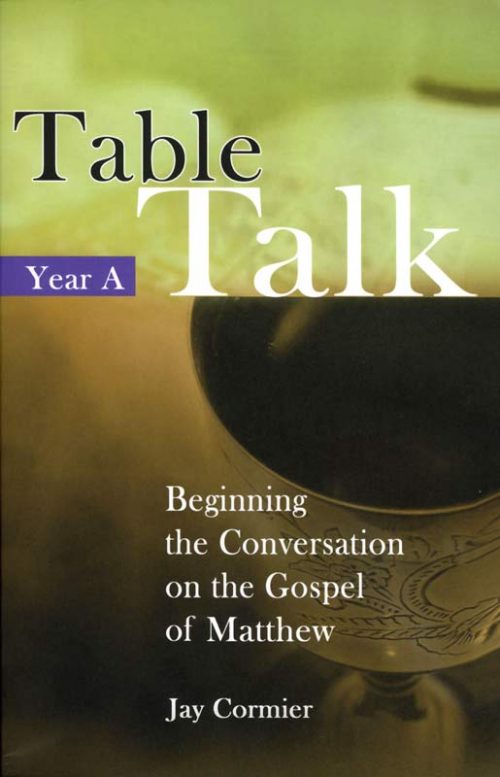
Jay Cormier offers helpful reflections that will spark the Sunday conversation about the Gospel of Matthew around the parish table.
-
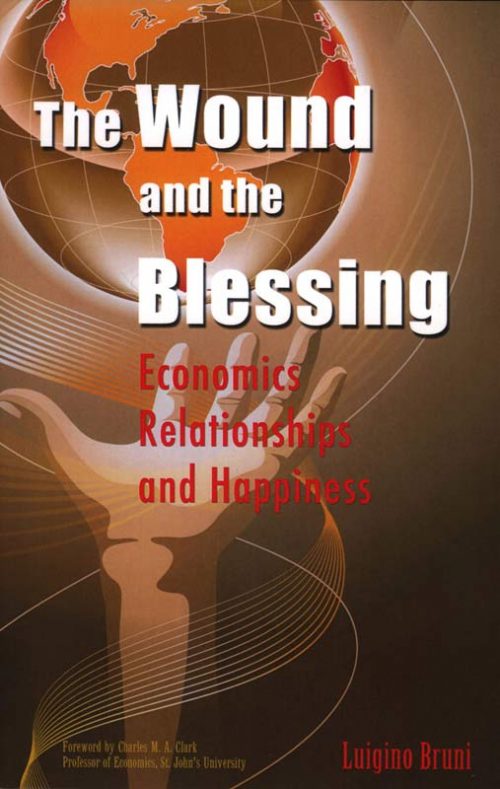
Luigino Bruni offers an authoritative and innovative look at the cultural and anthropological premises underlying contemporary market economies and their promises. He suggests that the market has betrayed its promises and points out the need for balancing the increasing tendency toward isolation with the human need for relationships.
-
This book deals with all the essentials of Catholic social teaching in a concise way, but without oversimplification.
-
A fresh and refreshing look at the meaning of “communion” in the documents of the Second Vatican Council. John Markey has laid out a bold and insightful theological vision of the Church that will help guide us.
-
This work is composed of essays by significant scholars in Franciscan theology, history, and hagiography.
-
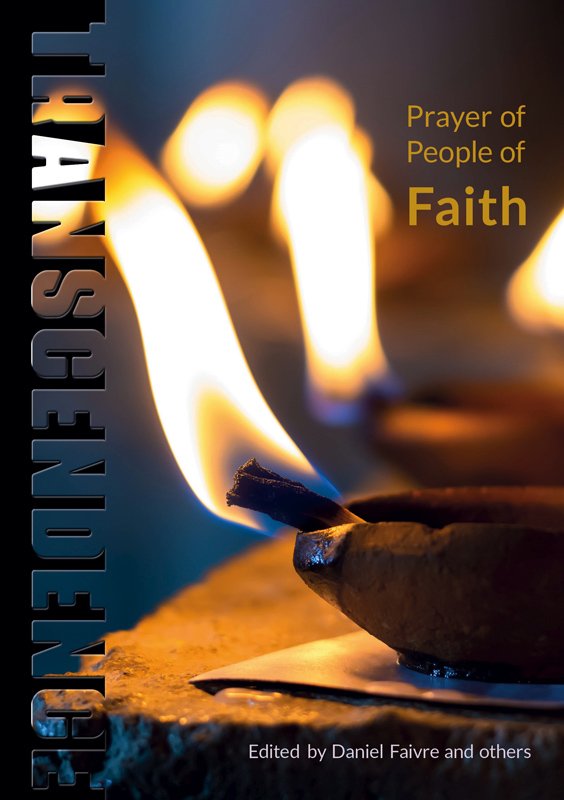
This book is a careful selection of prayers and sacred texts on various themes from a wide range of religious and cultural traditions. Its editor, Brother Daniel, devoted most of his life to building bridges between the different faiths.
-
Painstakingly reconstructed from hundreds of scraps of paper, Basil Howe eventually emerged as a novel which written by G.K. Chesterton when he was only 20. In fact, it was his first book, although it lay unpublished for more than a century. Now you can read what was in the mind of the man who was to become such a great literary figure of the 20th century. VIEW IN PAPERBACK EDITION