Showing 46–60 of 75 Books
-
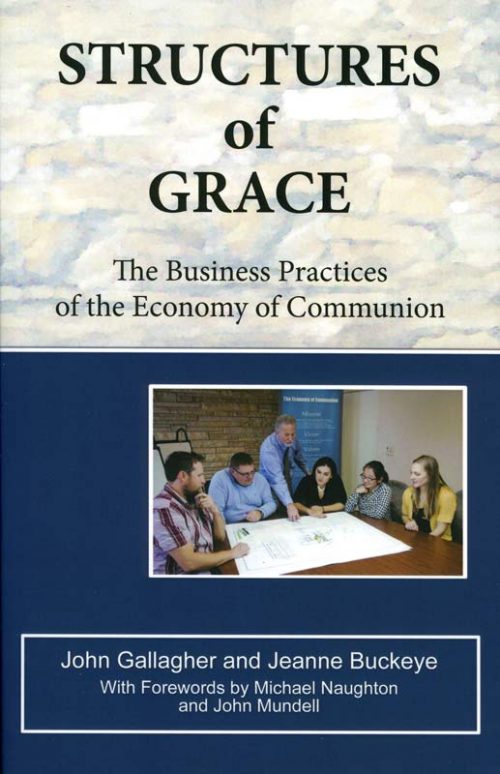
This is a book about the business practices of a group of companies who are dedicated to changing the world. These companies participate in the Economy of Communion (EOC) project, which is an initiative of the international and ecumenical Focolare movement.
-
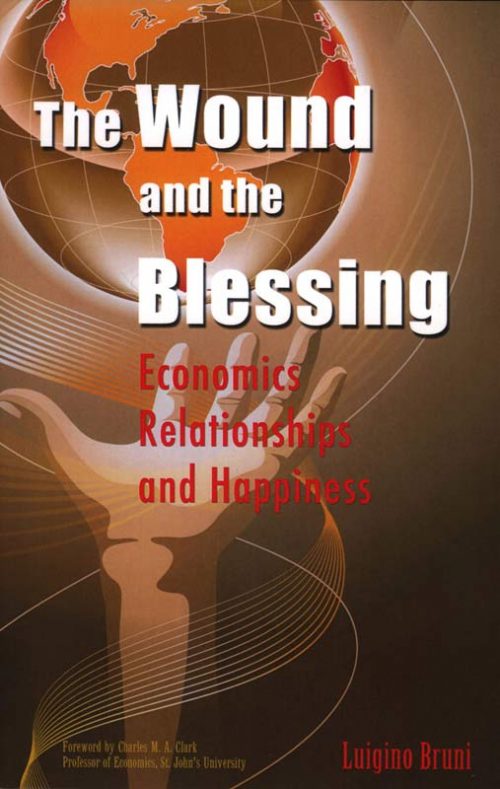
Luigino Bruni offers an authoritative and innovative look at the cultural and anthropological premises underlying contemporary market economies and their promises. He suggests that the market has betrayed its promises and points out the need for balancing the increasing tendency toward isolation with the human need for relationships.
-
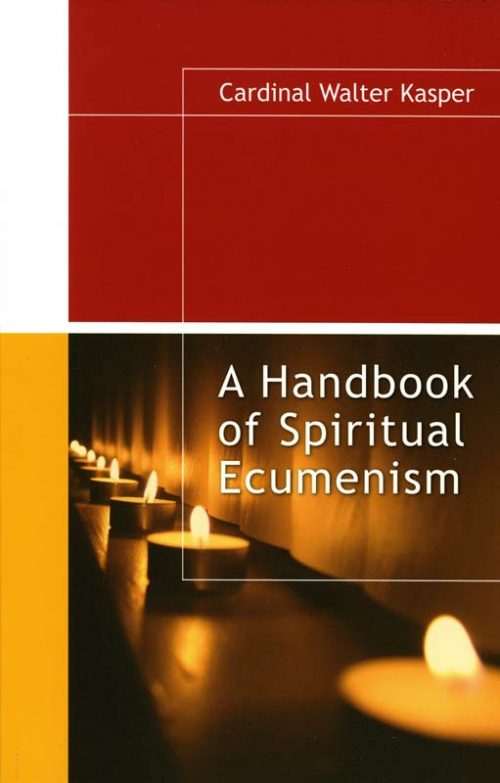
This little book offers many practical suggestions for implementing and strengthening spiritual ecumenism, the heart of all efforts to re-unite divided Christians. It is an invaluable aid for anyone interested in or committed to the restoration of Christian unity.
-
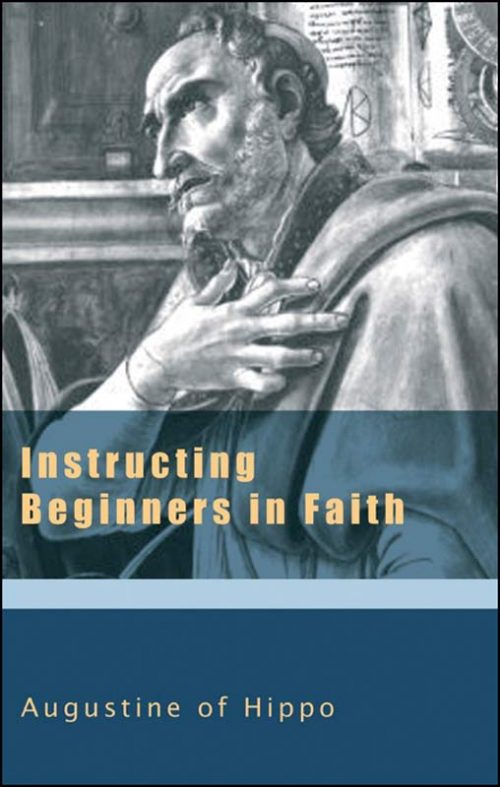
This classic exposition of the Christian faith has been frequently and creatively adapted to serve the needs of education in faith in many different contexts. Augustine’s understanding of the problems faced by religious educators demonstrates his profound grasp of the human condition.
-
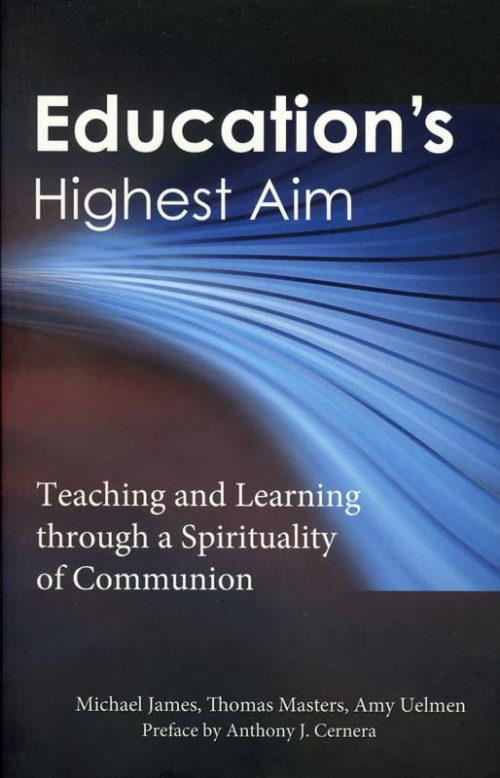
Education's Highest Aim will be valuable for anyone interested in understanding and improving education — teachers'; groups; school administrators; university courses in curriculum, instruction, or educational foundations; parents' organizations; developers of public policy.
-
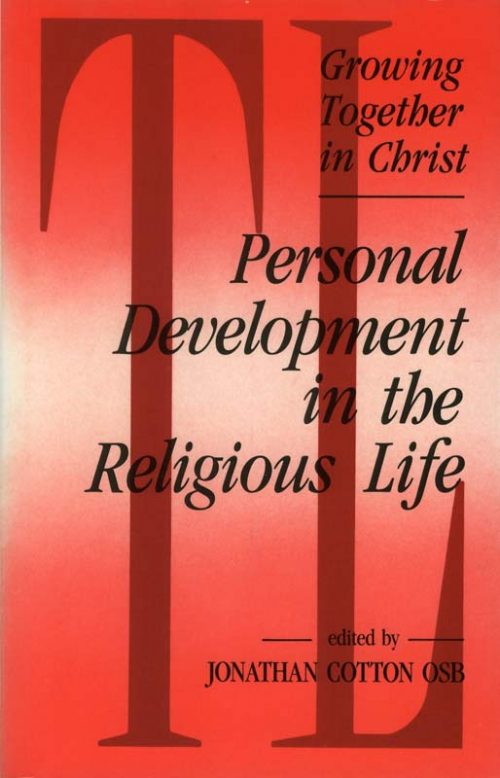
We are taken through the different stages in the spiritual life from the initial choice of God to the various trials which lead us into a deeper union with him.
-
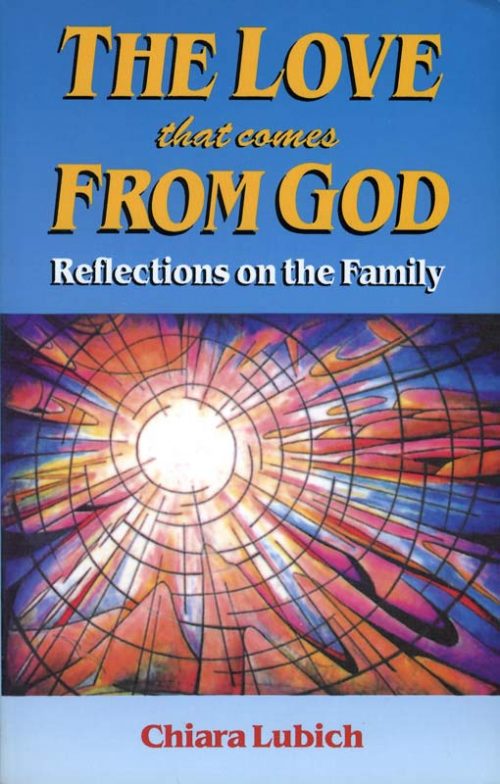
The Love That Comes from God offers an attractive vision of the role of the family in today's world. Chiara Lubich addresses such themes as love, education, and prayer, showing how they shape the spiritual development of the family. This book is a valuable tool for families and those who minister to them.
-
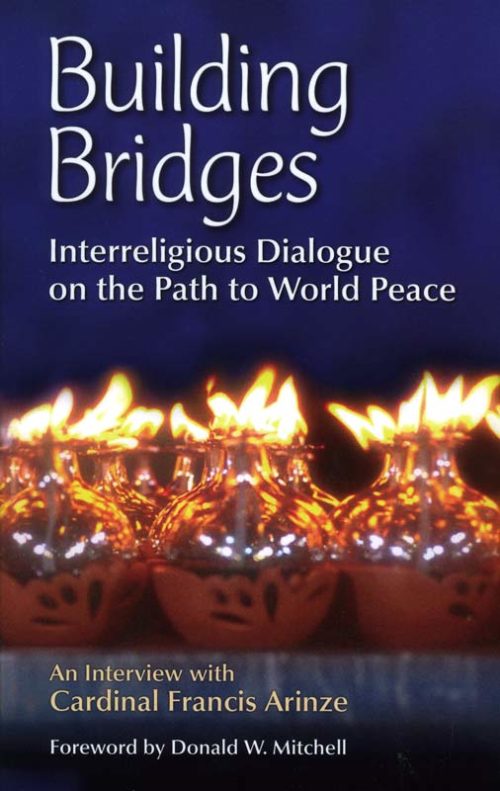
Today, more and more people of different religions have the chance to meet. How should they interact with each other in order to foster mutual understanding and respect? What problems might this new world of dialogue create? Will it lead to compromising one’s faith? Cardinal Francis Arinze answers these and many other timely questions in this engaging and enlightening interview.
-
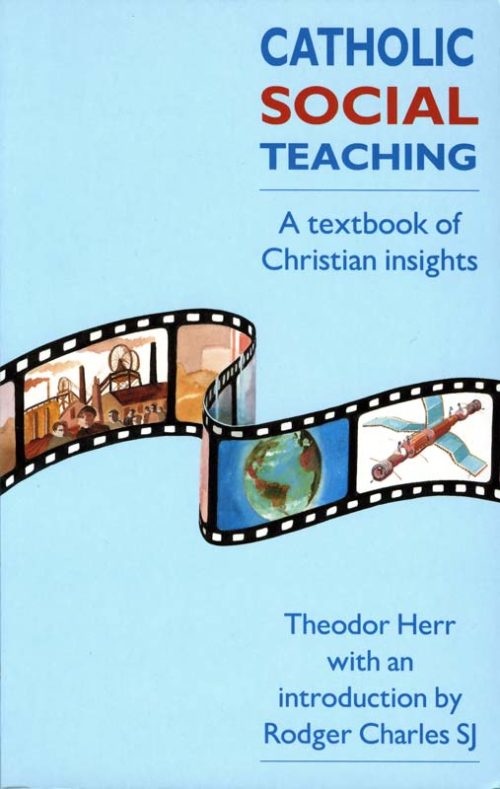
This book deals with all the essentials of Catholic social teaching in a concise way, but without oversimplification.
-
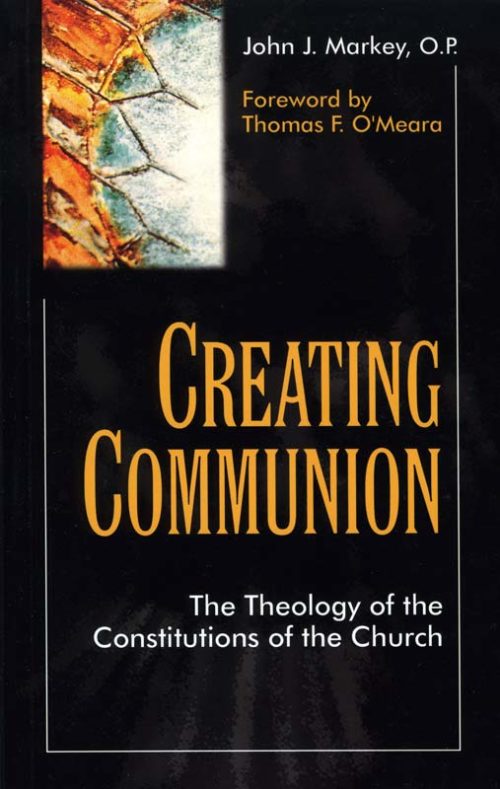
A fresh and refreshing look at the meaning of “communion” in the documents of the Second Vatican Council. John Markey has laid out a bold and insightful theological vision of the Church that will help guide us.
-
This anthology offers special insights into the sufferings and joys we meet as we grow in maturity, whether as a result of passing years or of spiritual experience. The contributors range from Teresa of Avila to Mother Teresa, from Julian of Norwich to Teilhard de Chardin.
-
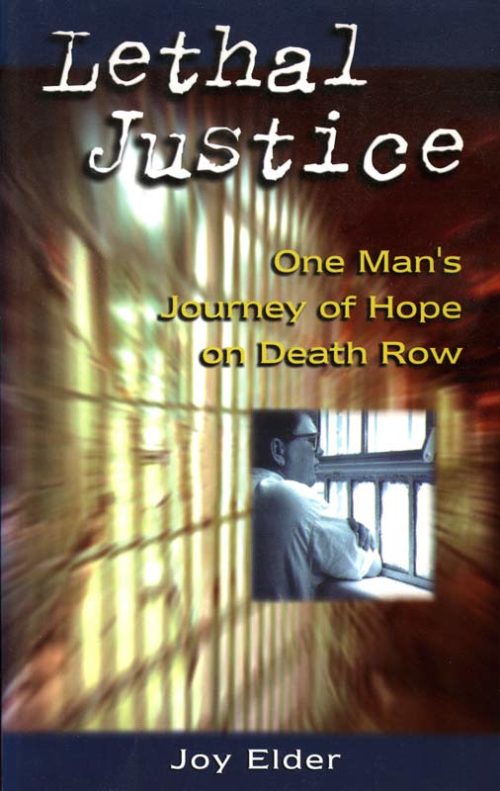
This is the moving, true story of Lesley Gosch, sent to death row in Texas after being accused, questionably, of murder. It is based on the exchange of letters between him and the author, a Welsh nun, who also visited him.
-
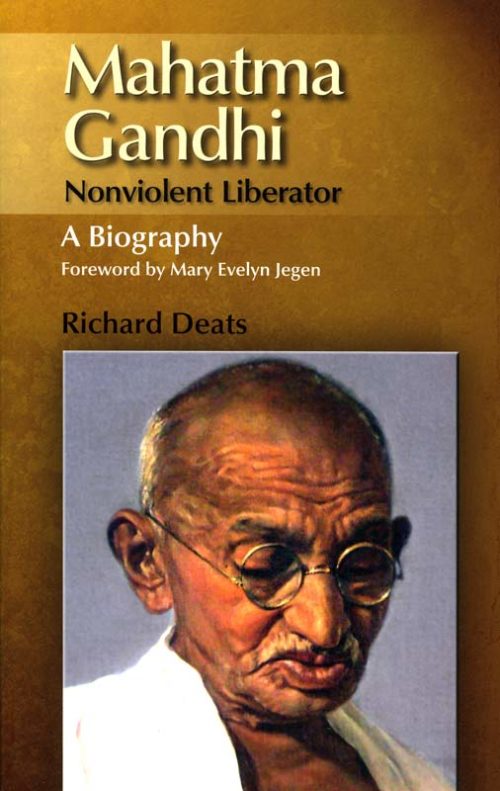
Richard Deats’ analysis of Gandhi’s search for God and the value of nonviolence is very readable and insightful. Gandhi always believed one cannot find God without first understanding and living a nonviolent lifestyle. This book shows us the way to higher thinking and higher living.
-
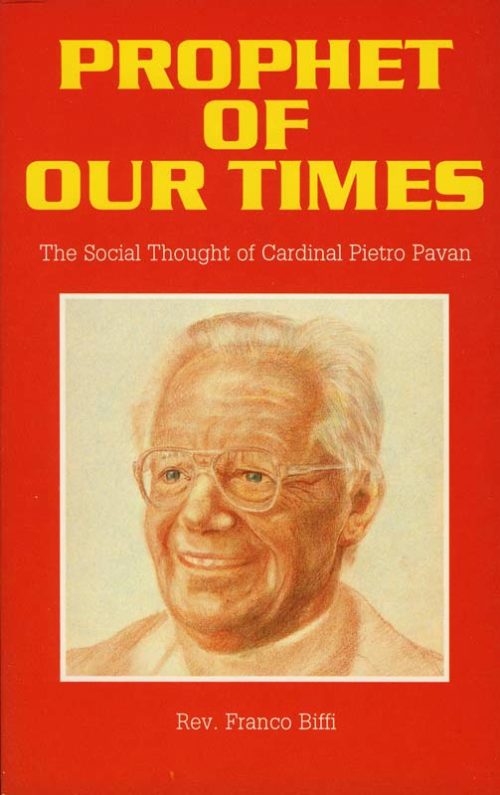
Not only was Pavan a principal collaborator of John XXIII in the drafting of the encyclicals Mater et Magistra and Pacem in Terris, but he also had a vital role in the preparation of two of the most important conciliar documents: the pastoral constitution Gaudium et Spes and the declaration on religious freedom.
-
Using the language of economics, the articles in this volume convey the principles at the root of the Economy of Communion and explain its unique characteristics within the context of current and historical economic thought and practice at both the micro and macro levels.