Showing 1–15 of 19 Books
-
This insightful guide explores Receptive Ecumenism, a discipline of mutual listening, learning and understanding that encourages deeper unity between denominations.
-
Callan Slipper offers five ways for Christians to approach one another on the path toward unity.
-
At this critical moment of history when believers are often stereotyped as fanatics by the media, the author takes us back to what is essential in both Christianity and Islam: love.
-
This little book offers many practical suggestions for implementing and strengthening spiritual ecumenism, the heart of all efforts to re-unite divided Christians. It is an invaluable aid for anyone interested in or committed to the restoration of Christian unity.
-
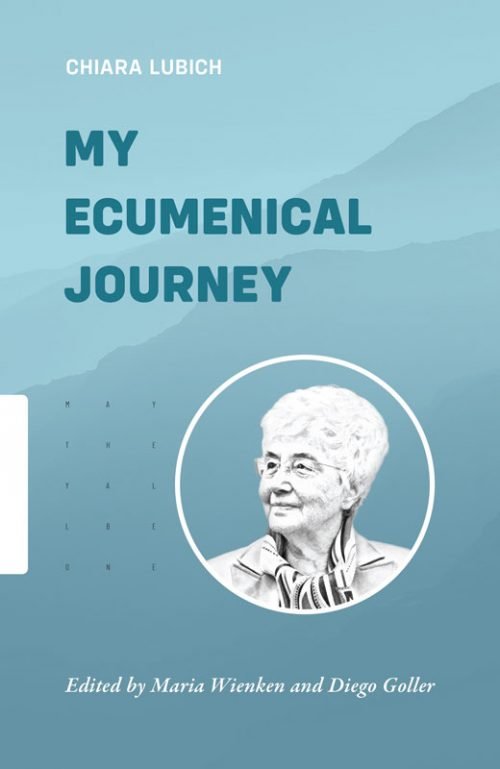
This book, published during the centenary year of the birth of Chiara Lubich, may be considered a treatise on the spirituality of unity as lived out in the Focolare Movement. The readers hopefully discover in the brothers and sisters of a Church that is different from theirs the face of the one Christ.
-
This little book offers a refreshing approach to Christian unity based on Chiara Lubich’s spirituality of communion. It contains her addresses to the World Council of Churches and at various ecumenical events.
-
In a world torn apart by conflict, the author, himself an experienced peace-maker, proposes some ways ahead in the complex world of international relations.
-
Today, more and more people of different religions have the chance to meet. How should they interact with each other in order to foster mutual understanding and respect? What problems might this new world of dialogue create? Will it lead to compromising one’s faith? Cardinal Francis Arinze answers these and many other timely questions in this engaging and enlightening interview.
-
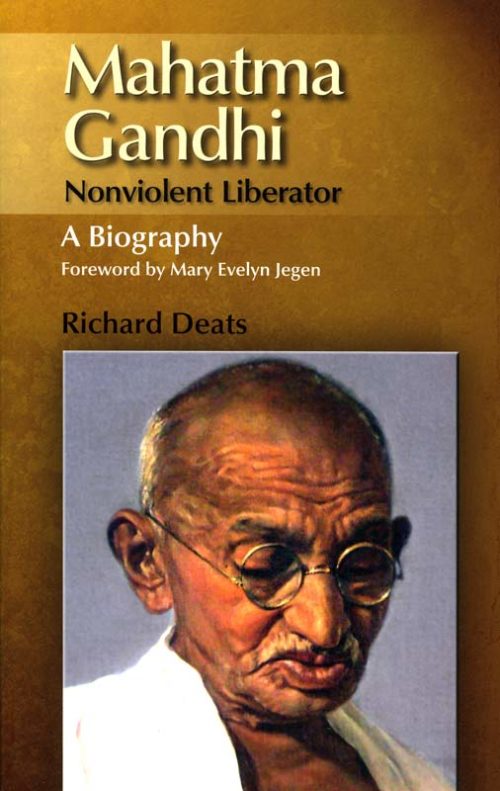
Richard Deats’ analysis of Gandhi’s search for God and the value of nonviolence is very readable and insightful. Gandhi always believed one cannot find God without first understanding and living a nonviolent lifestyle. This book shows us the way to higher thinking and higher living.
-
Using the language of economics, the articles in this volume convey the principles at the root of the Economy of Communion and explain its unique characteristics within the context of current and historical economic thought and practice at both the micro and macro levels.
-
This is a book about the business practices of a group of companies who are dedicated to changing the world. These companies participate in the Economy of Communion (EOC) project, which is an initiative of the international and ecumenical Focolare movement.
-
This is a book about interreligious dialogue between Jews and Christians, but it is so much more. Truly, it is a dialogue for life, full of wisdom and experience that benefits readers in every aspect of life.
-
Leahy presents the movements as examples of the Church’s charismatic dimension, a principle which Pope John Paul II described as ‘co-essential’ with the hierarchical-institutional dimension.
-
The contributors to this book write from a faith perspective but respectful of the place and role of science, both historically and today.
-
Gold examines the origins and substance of a promising alternative to the current globalized economy: the Economy of Communion. Benedict XVI cited the Economy of Communion in Caritas in Veritate as a promising form of intermediate activity between for-profit business and classic non-profit institutions.