Showing 31–60 of 131 Books
-
Father Billy’s powerful reflections on faith in the life of the disciple of Christ, with accompanying reflection questions, can be an excellent vehicle for prayer and study groups, RCIA programmes, and ongoing faith formation for adults.
-
In United in His Name, a spiritual-dogmatic study, Povilus explores this central element of Matthew's gospel examining the new intuitions that have arisen from Chiara Lubich's charism of unity.
-
This is a work from Augustine’s early life, just after his conversion, in which are visible all the seeds of his future writings. Here we see him as a philosopher, a thinker and a budding theologian. It is his personal prayer to his God of love and mercy.
-
In Chiara Lubich’s understanding, Mary is ‘the flower of humanity’ who through her ‘Yes’ at the Annunciation, gave Jesus physically to the world; and all of us are called to become little Marys’ generating the presence of Jesus spiritually by living out Jesus’ promise: ‘Where two or three are united in my name, I am there among them’ (Mt. 18: 20).
-
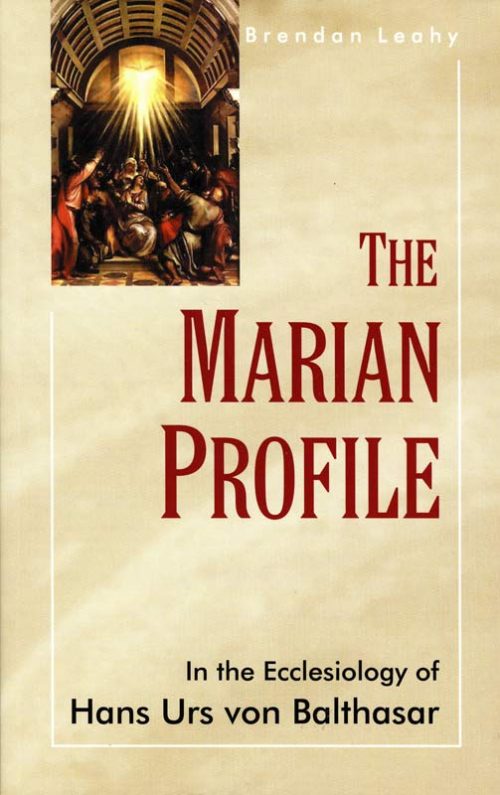
At the dawn of the new millennium we notice with joy the emergence of the ‘Marian profile’ of the Church that summarizes the deepest contents of the conciliar renewal.
-
This scriptural study does two things: it unveils the biblical view of angels and it gives fresh insights into the meaning of Scripture itself. Angels appear at key moments in the biblical narrative, to understand them more deeply is to understand that narrative more deeply.
-
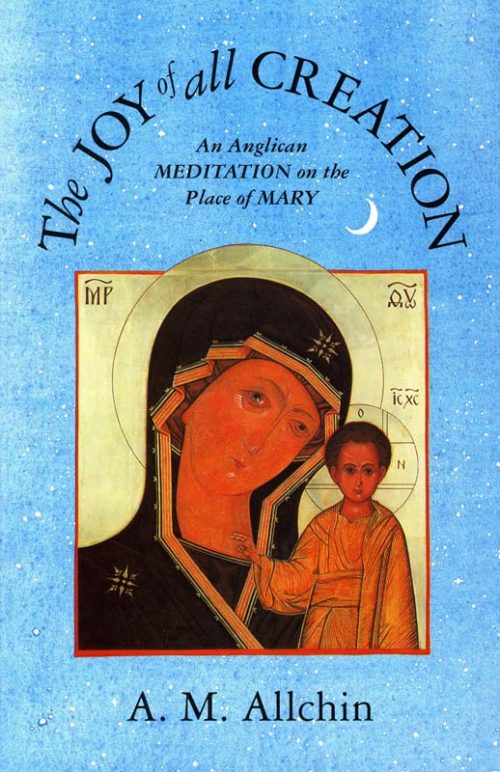
This book studies an often neglected strand of Anglican theological thought, but one which will speak to Christians of all traditions. It shows how issues to do with Mary and her place in salvation history are highly relevant to contemporary concerns.
-
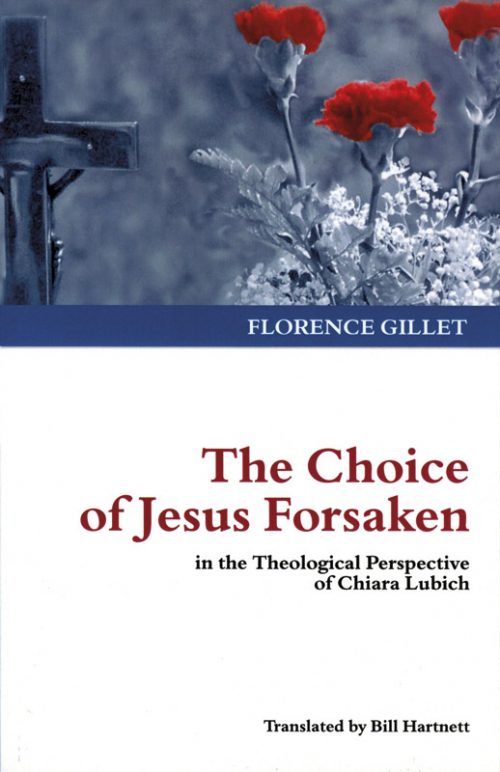
The purpose of this book is to show that love for Jesus forsaken is an act of theological faith; as a consequence, it has ecclesial, sacramental, and social dimensions.
-
The reflections contained here invite us to ponder our lives and to open our listening hearts to the voice of God, so that our Lent can truly be a Lent in its deepest sense – a spring that buds forth new life.
-
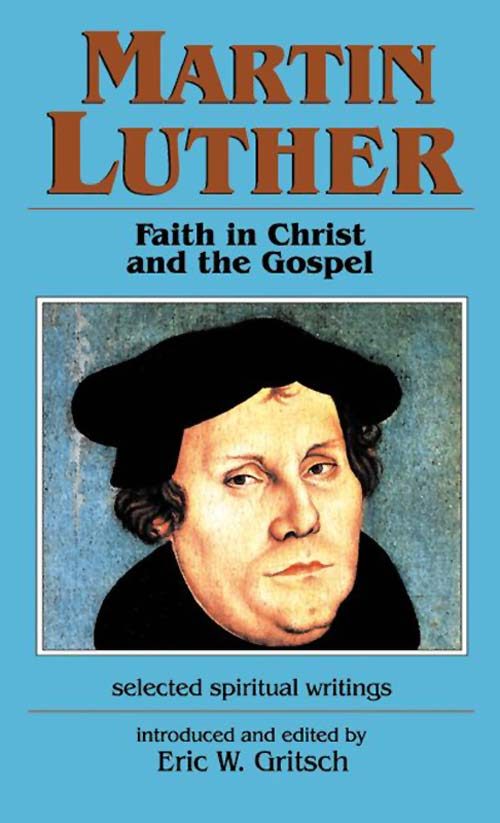
An informative anthology of Luther’s writings, emphasizing his work as theologian, exegete and pastor.
-
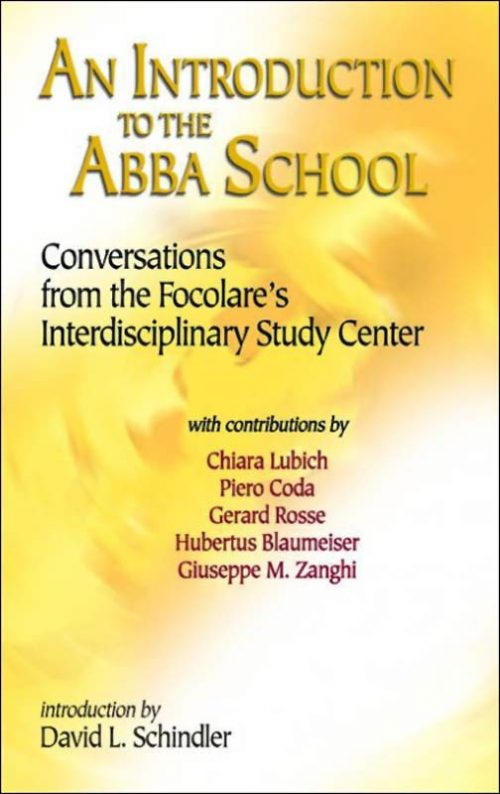
The present book contains sustained reflections on the new theology and philosophy carried in the charism of unity, while pointing a direction for the new cosmology and for the various disciplines represented by the twenty-five scholars currently making up the Abba School.
-
We are taken through the different stages in the spiritual life from the initial choice of God to the various trials which lead us into a deeper union with him.
-
Combining scholarship with spirituality, historical accuracy with practical application, Branick’s informative commentary will open up for you the timeless treasures contained in Paul’s letter.
-
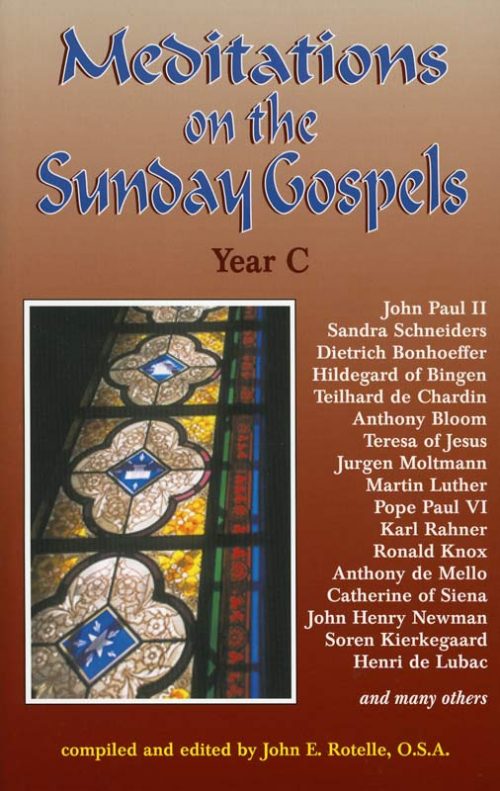
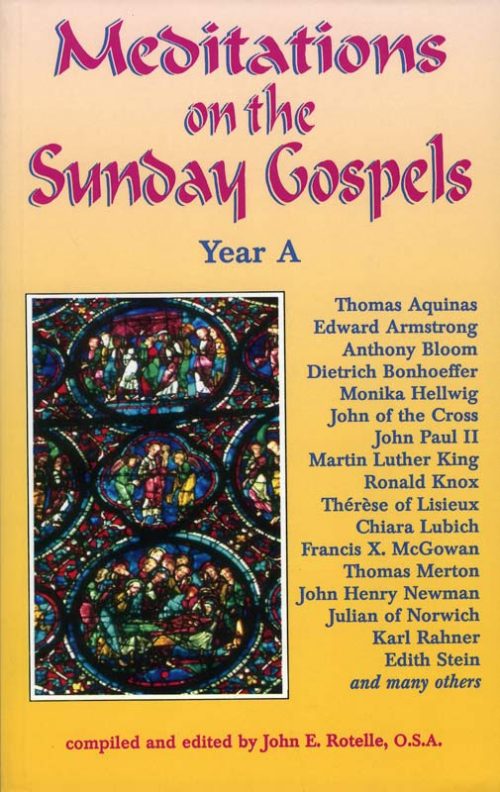
The commentaries offered here are meditations that bring us the thought of the ages and many traditions – medieval, reformation, counter-reformation and contemporary. It is a rich harvest of Christian spirituality.
-
This is the first in a three-volume set of carefully chosen gospel commentaries. It conveys a profound richness from a variety of experts.
-
Spiritual commentaries on Paul’s Letters to Philemon, the Philippians and the Colossians aimed at the non-specialist who wants to understand Paul’s message in terms of daily living.
-
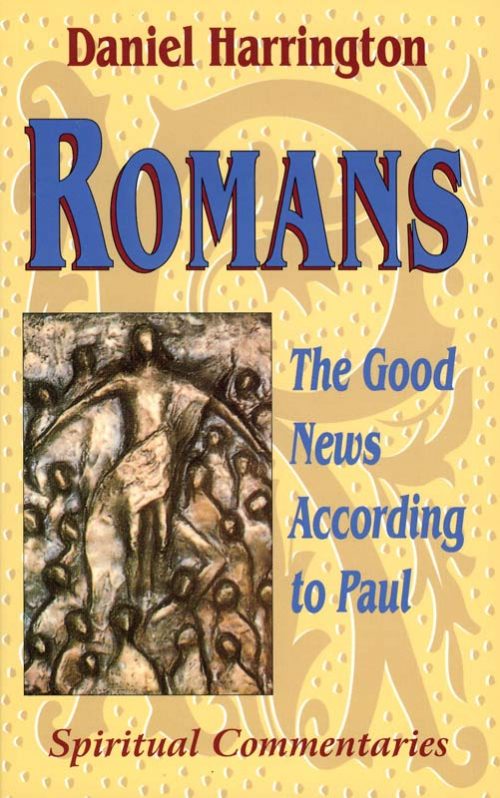
The author offers an exposition of Paul’s letter to the Romans which is full of insight and reflects on its significance for Christian life today.
-
Today, more and more people of different religions have the chance to meet. How should they interact with each other in order to foster mutual understanding and respect? What problems might this new world of dialogue create? Will it lead to compromising one’s faith? Cardinal Francis Arinze answers these and many other timely questions in this engaging and enlightening interview.
-
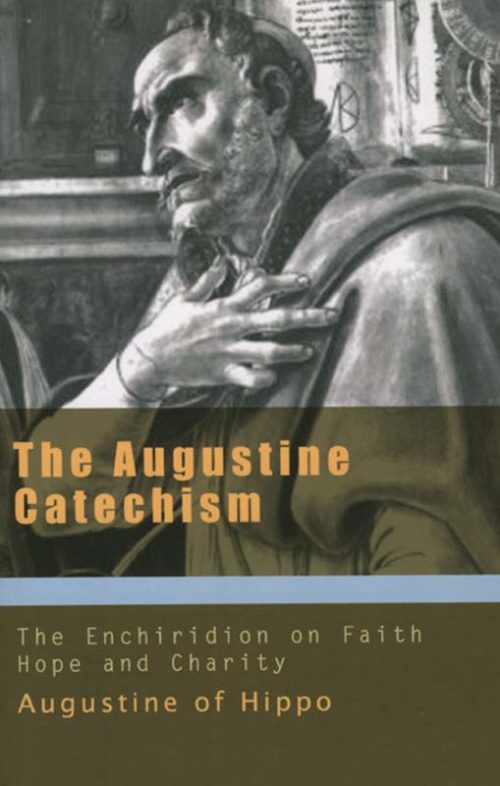
Those seeking an excellent introduction, either to the thought of the mature Augustine, or those needing material for catechetical instruction in the parish would do well to consult this timeless classic.
-
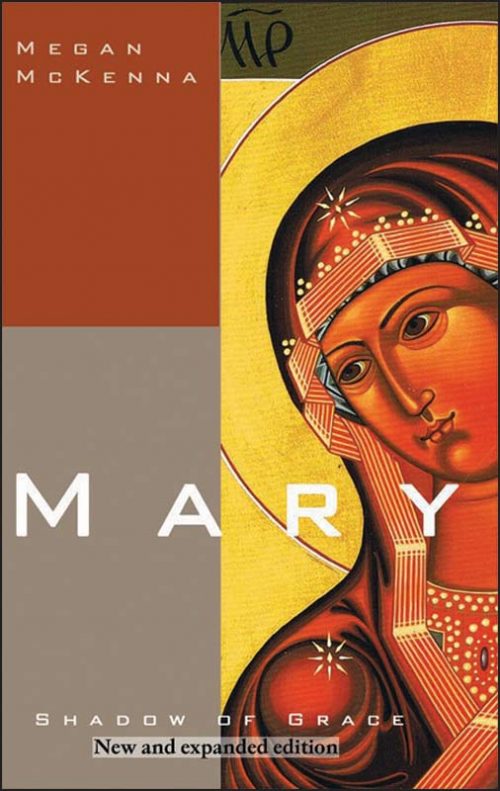
Using Scripture as a guide, McKenna helps us to see the image of Mary that is shaped by the stories of her from the gospels. The image that develops out of these stories is altogether different form the one our culture creates.
-
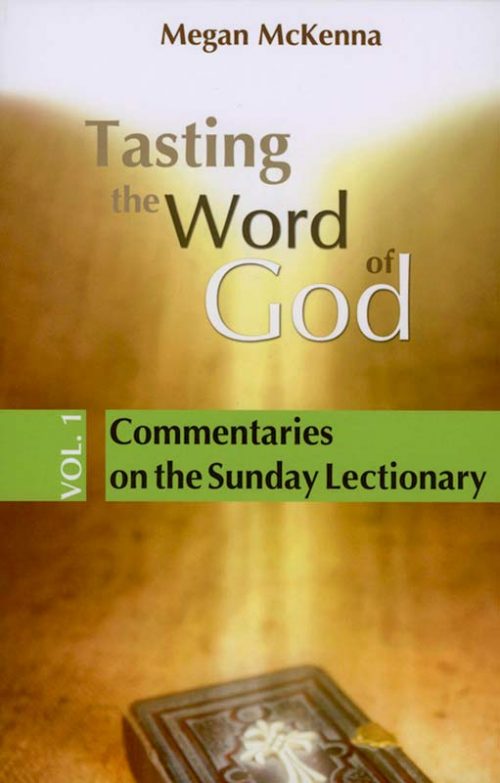
These brief, yet incisive commentaries on the Sunday lectionary serve a variety of purposes. They can be an aid to those preparing homilies, a source of personal meditation, or a way of deepening one’s understanding of the Gospels while following the Church’s liturgy.
-
Trilogy on Faith and Happiness reveals Augustine’s insight into fundamental existential questions and his conviction that human fulfillment can be found only in the incarnation of Jesus, the Word and Wisdom of God. It will prove especially useful for spiritual reading and for students of Christian spirituality.
-
This classic exposition of the Christian faith has been frequently and creatively adapted to serve the needs of education in faith in many different contexts. Augustine’s understanding of the problems faced by religious educators demonstrates his profound grasp of the human condition.
-
As one of today’s foremost scholars on the Hebrew scriptures, the author will help you not only to understand the Book of Daniel, but to use it for prayer and in your everyday life.
-
Integrating recent biblical scholarship with spiritual and pastoral reflections, the author shows that Luke’s Gospel is, above all, a story of joy, peace, forgiveness and salvation.
-
In this brief but beautiful exposition of scripture, the author gives readers significant insights into the spiritual depths of Matthew’s Gospel. With a masterful touch he leads those studying the Gospel along sound lines of interpretation.
-
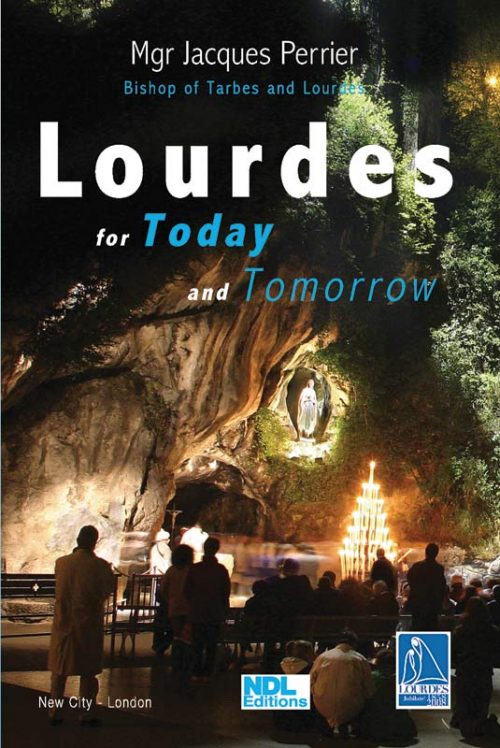
The Bishop of Lourdes offers his vision for the mission of the Shrine of Lourdes both now and in the years to come. It shows Lourdes to be much more than a place of Roman Catholic piety.
-
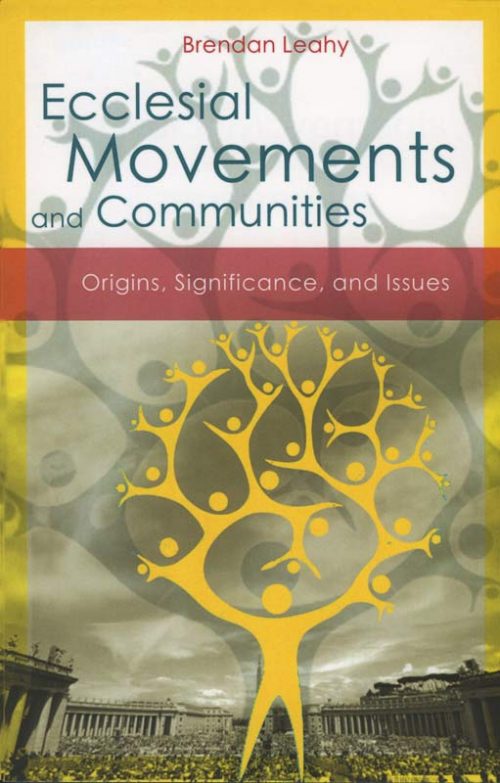
Leahy presents the movements as examples of the Church’s charismatic dimension, a principle which Pope John Paul II described as ‘co-essential’ with the hierarchical-institutional dimension.
-
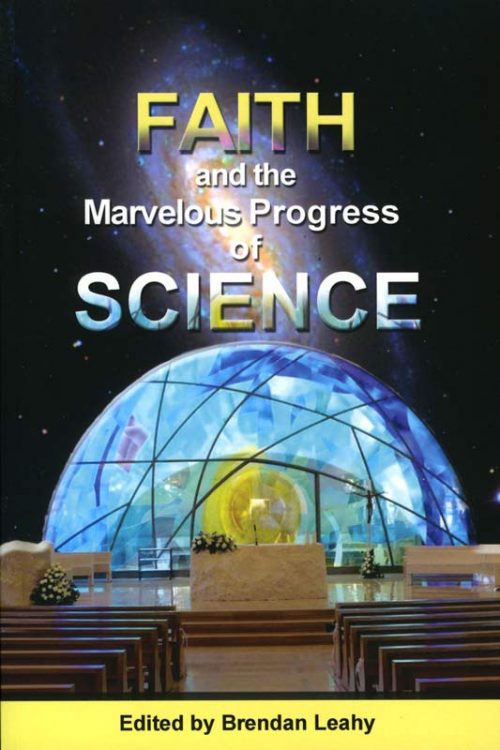
The contributors to this book write from a faith perspective but respectful of the place and role of science, both historically and today.