Showing 1–30 of 55 Books
-
This in-depth study, to which many contributed, will help one understand the meaning of unity, the core of the Focolare spirituality.
-
The volume of Words of Life is more than a commentary on the gospel message, it is a charismatic reading, an intuition, and an invitation to put the words of Scripture into practice in everyday life. It is part of a series of 13 books.
-
This collection of writings by Pasquale Foresi is essential reading for anyone interested in the Focolare spirituality of unity.
-
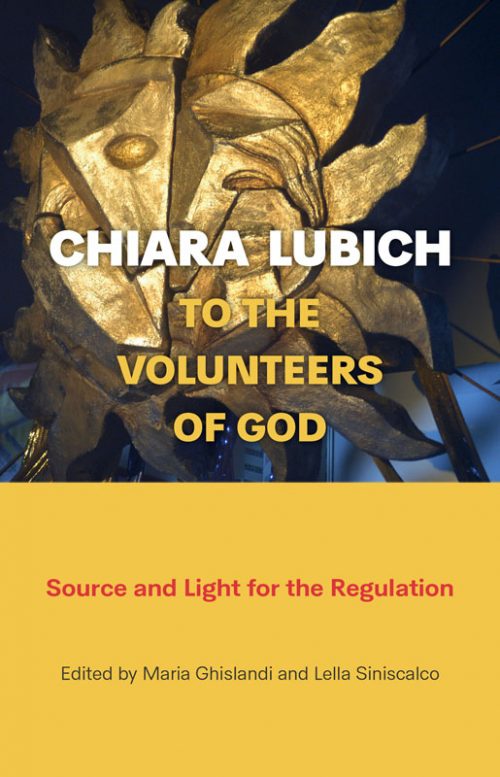
The Regulation of the Volunteers of God reflects the vocation of the volunteers in the Focolare Movement. It accompanies some of the articles in the Regulation with comments by Chiara Lubich.
-
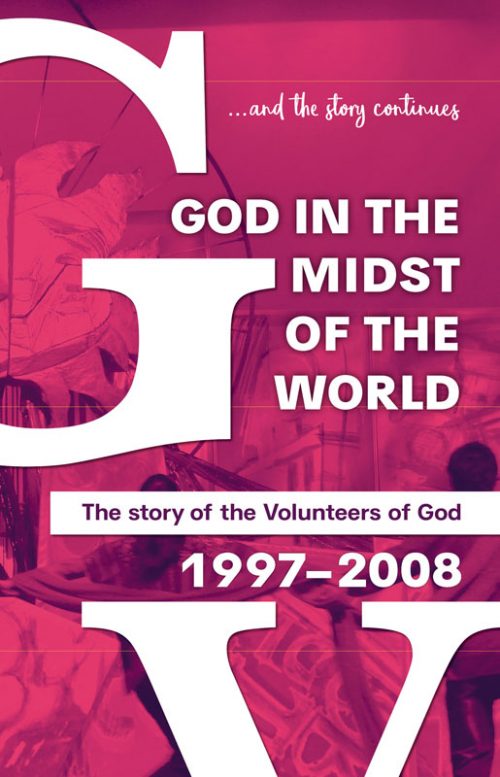
This book continues the story of the Volunteers of God recorded in God in the Midst of the world – The Story of the Volunteers of God 1956–1996.
-
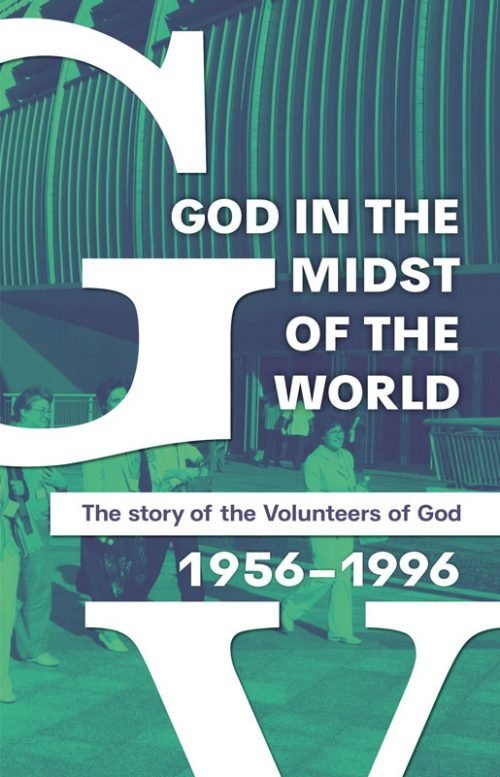
These pages tell the story of the Volunteers of God in the first forty years of their existence, from 1956 to 1996.
-
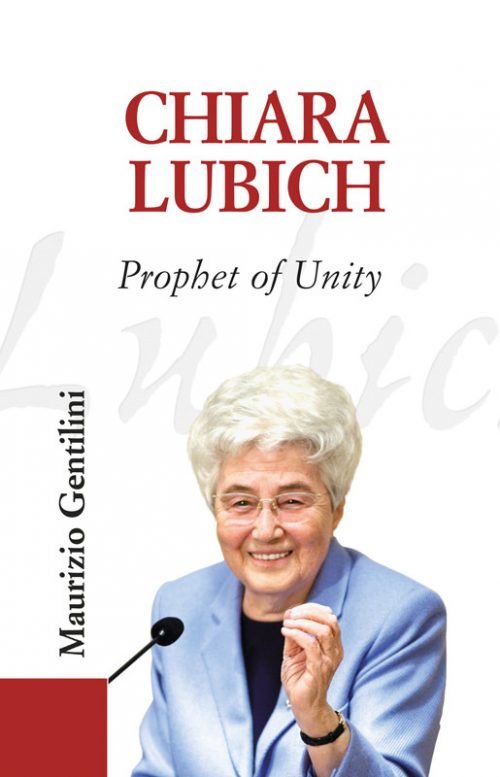
This biography aims at presenting Chiara Lubich's life and work from a ‘historical’ perspective, offering the reader a rich and well-documented development of facts, situations and experiences.
-
This book, published during the centenary year of the birth of Chiara Lubich, may be considered a treatise on the spirituality of unity as lived out in the Focolare Movement. The readers hopefully discover in the brothers and sisters of a Church that is different from theirs the face of the one Christ.
-
While people are agonizing over the need to find solutions to the critical issues of our time, they will only find them in Jesus, and not only in Jesus living in the depths of each individual heart, but in Jesus reigning among people.
-
Chiara Lubich sees the Church as a living reality, an event of communion, and she gives a stimulating answer to the question, ‘What is the Church?’ She responds that it is not a ‘what’ but a ‘who’ because the Church is Jesus in the midst of his people. And the task of the Church is to be, within humanity, a catalyst for unity.
-
This collection of texts highlights the powerful action of the Holy Spirit at the beginning of the Focolare Movement. It helps us to enter into the intimacy of Chiara Lubich’s relationship with the Holy Spirit and how she communicated to others her passion that he, the ‘unknown God’ may be known, welcomed and loved.
-
In Chiara Lubich’s understanding, Mary is ‘the flower of humanity’ who through her ‘Yes’ at the Annunciation, gave Jesus physically to the world; and all of us are called to become little Marys’ generating the presence of Jesus spiritually by living out Jesus’ promise: ‘Where two or three are united in my name, I am there among them’ (Mt. 18: 20).
-
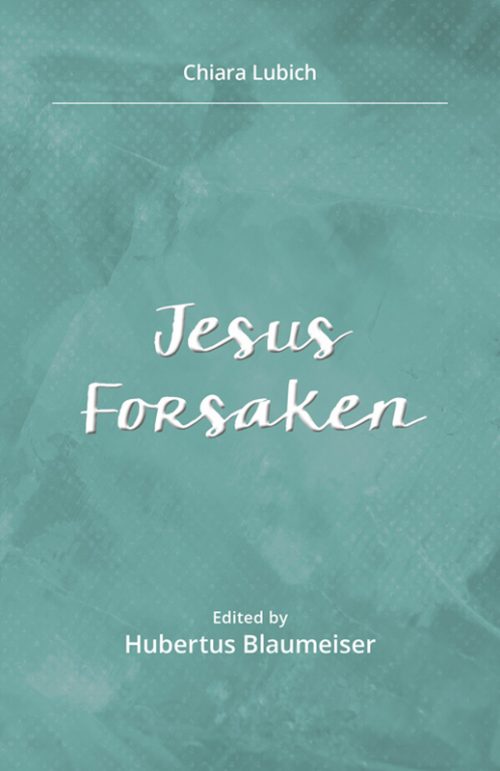
How could the Son of God feel forsaken, abandoned by the Father? How could the Father abandon the Son? This is the mystery that Chiara Lubich explores in this book.
-
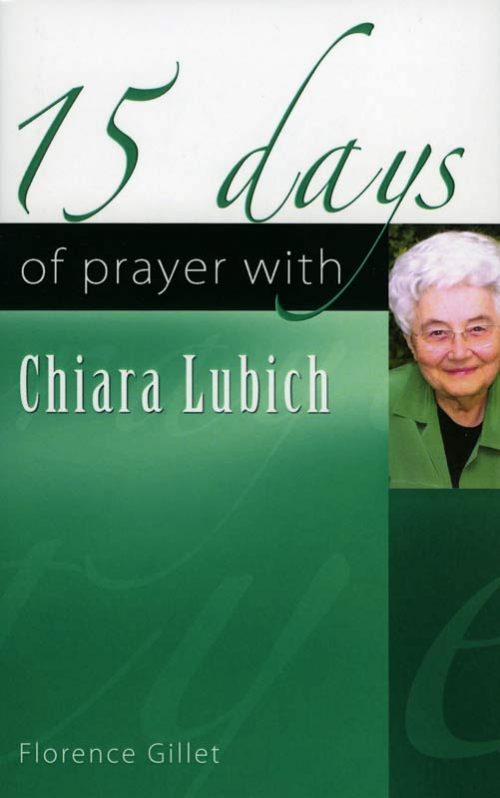
Chiara Lubich was an extraordinary woman, an apostle of dialogue in ecumenism, in interreligious dialogue, and among people of no religious affiliation.
-
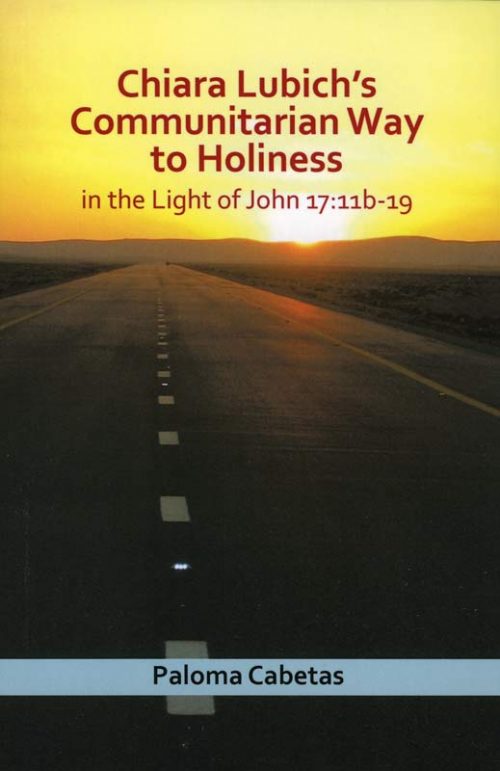
This exceptional work explores the concept expressed by Chiara that the Lord doesn’t ask us for an individual holiness, but for a communitarian holiness in which each person must help their neighbour to become a saint. This collective way of sanctity is explored on the thematic elements of John 17: 11b-19.
-
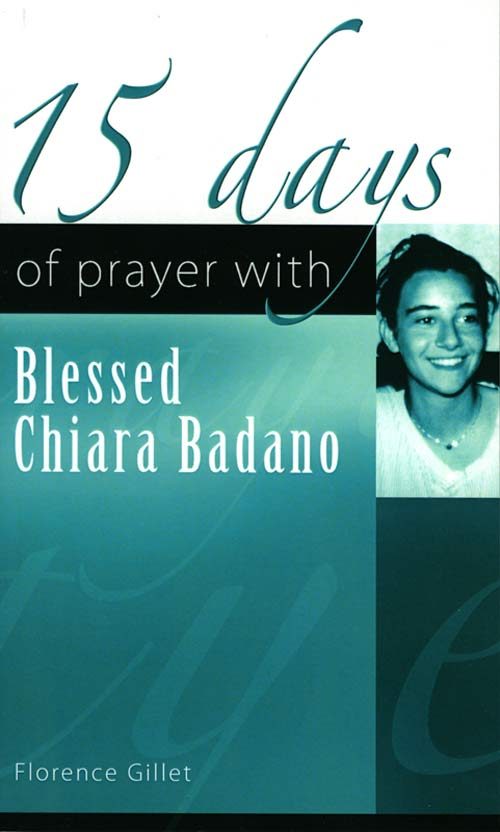
This very young woman, a person of our own times, bore witness above all to the beauty of being a disciple of Christ.
-
This collection of short reflections will help us to see that true love between persons is possible and that our love of God is the fulfilment of our personal freedom. Again and again the meditations return to the first Christian, Mary, who emerges as the freest human being there has ever been.
-
The purpose of this book is to show that love for Jesus forsaken is an act of theological faith; as a consequence, it has ecclesial, sacramental, and social dimensions.
-
The excerpts on the Eucharist from Chiara Lubich’s writings that are collected here reflect the deep union with God that she experienced both as an individual and as a living member of the Body of Christ which is the Church.
-
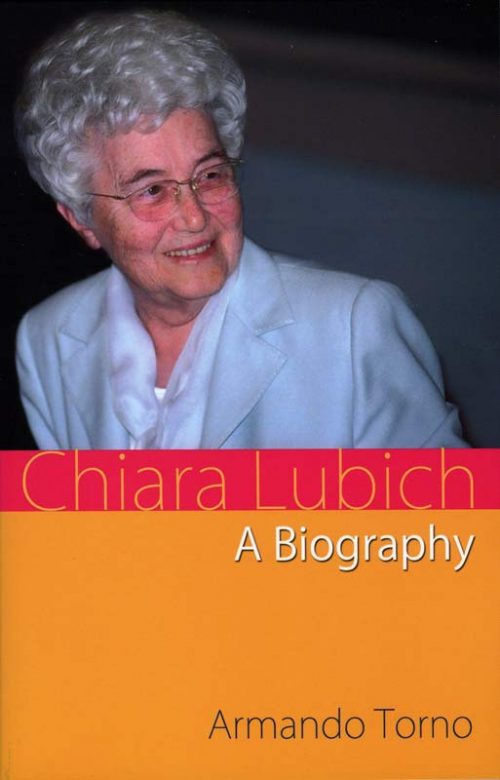
The New York Times called Chiara Lubich ‘one of the most influential women in the Catholic Church’. This biography transports readers inside the story of a young woman, born to a poor family in Trent, who felt called to dedicate her life to God.
-
Jesus’s new commandment is one of the cardinal points of the Focolare Spirituality: ‘I give you a new commandment, that you love one another. Just as I have loved you, you also should love one another’ (Jn 13:34). The new commandment is one of those wondrous gifts that Jesus ‘held hidden in his heart’ only to reveal them on the last day of his life on earth.
-
Chiara Lubich is now being called a great Catholic mystic of our times. Here we encounter this mystical side of Chiara who is also the bearer of a charism, a gift from the Holy Spirit in response to the special needs of the Church and of the world.
-
The wisdom of this collection is remarkable. It is mystical and practical at the same time. Lubich says, ‘We can’t go to God alone, but we must go to him with our brothers and sisters, since he is the Father of us all.’ Each phrase from Lubich offers a new colour for the palette we use to love our neighbour, who is not an obstacle between us and God but a sacred archway through whom we come into God’s presence, and through whom God comes to us. Lubich sends us forth with a heart ready to love as Jesus loved.
-
These short reflections lead the reader into the very heart of the Good News, to the discovery of that Light which is ever ancient, ever new.
-
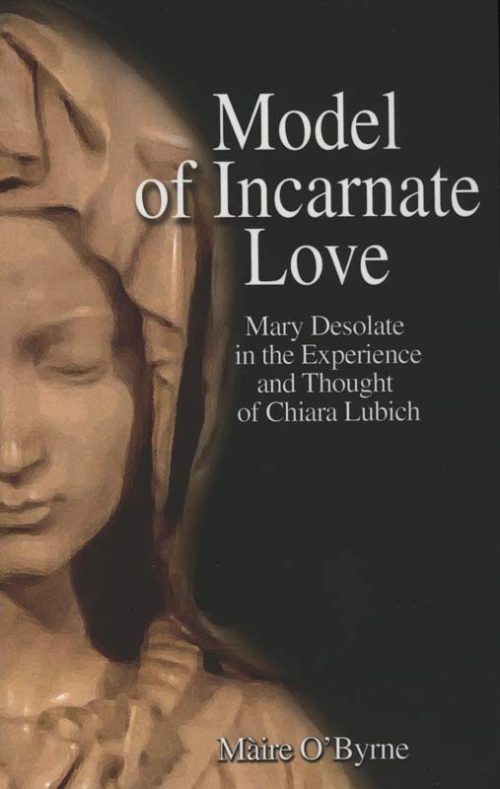
This work examines Mary, particularly as she stood at the foot of the cross, as a model for participating in a Trinitarian life of communion.
-
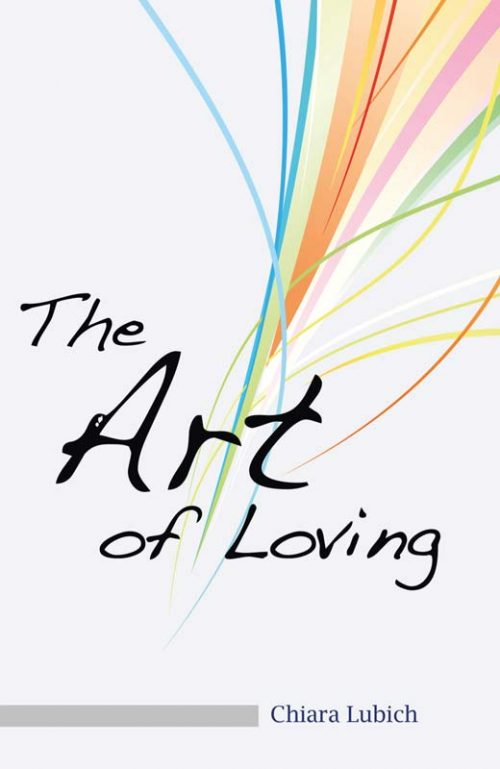
The Art of Loving is a steady guide in today’s turbulent times, a handbook for anyone who strives each day to answer the call of love, which Chiara Lubich believed to be the primary vocation of every human person and our individual and collective fulfilment.
-
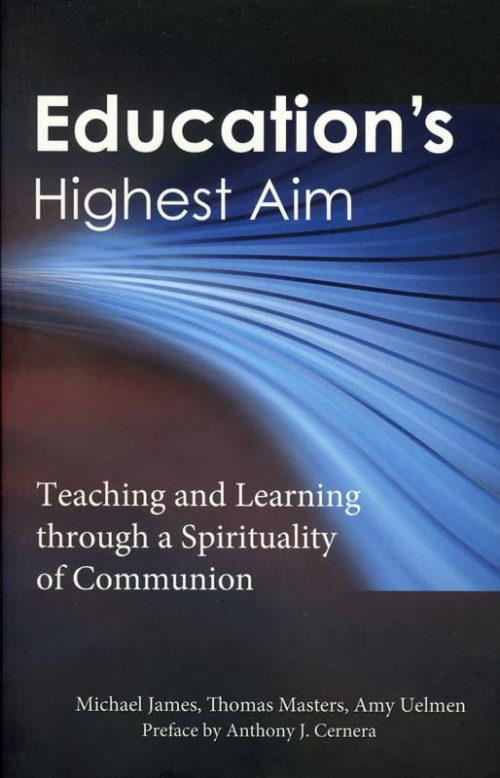
Education's Highest Aim will be valuable for anyone interested in understanding and improving education — teachers'; groups; school administrators; university courses in curriculum, instruction, or educational foundations; parents' organizations; developers of public policy.
-
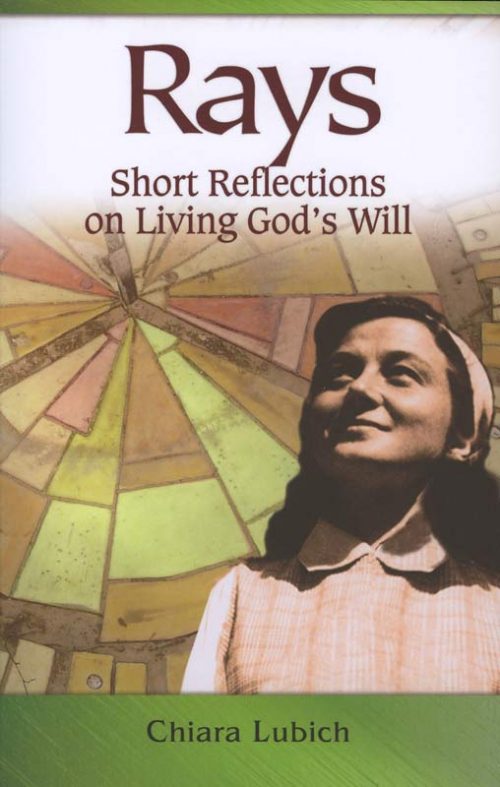
Each of us has a ray that burst forth from the Father’s heart when he spoke our name with the word Love. If we follow this ray, which is his will for us, we will become what we are in the mind of God from all eternity. It’s a matter of corresponding to his will, adhering to it, moment by moment, until the day when it will literally lead us back to the sun, to the Father.