Showing 61–78 of 78 Books
-
These brief, yet incisive commentaries on the Daily lectionary serve a variety of purposes. They can be an aid to those preparing homilies, a source of personal meditation, or a way of deepening one’s understanding of the Gospels while following the Church’s liturgy.
-
Father Billy’s powerful reflections on faith in the life of the disciple of Christ, with accompanying reflection questions, can be an excellent vehicle for prayer and study groups, RCIA programmes, and ongoing faith formation for adults.
-
Using his profound experience and acute insight, George Maloney offers a theological and scriptural basis for the often unaddressed subject of Christian joy. He draws from such sources as the early eastern mystics and reveals the treasure of joy that God wants to give to each and every one of us.
-
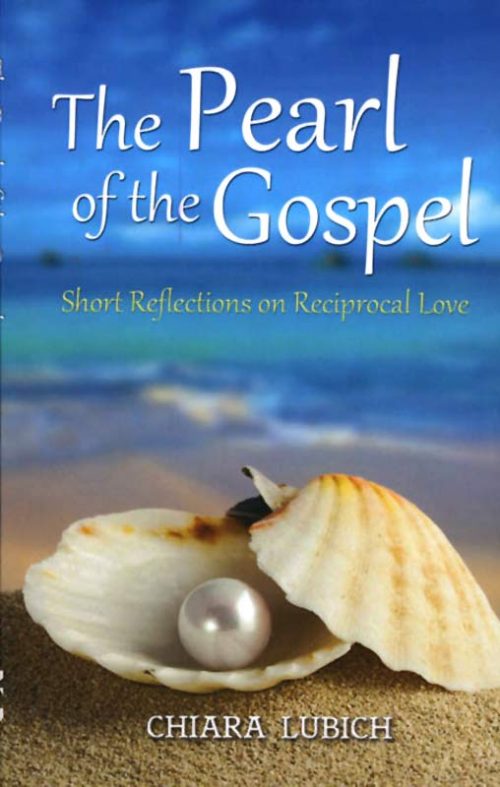
The Art of Loving is a steady guide in today’s turbulent times, a handbook for anyone who strives each day to answer the call of love, which Chiara Lubich believed to be the primary vocation of every human person and our individual and collective fulfilment.
-
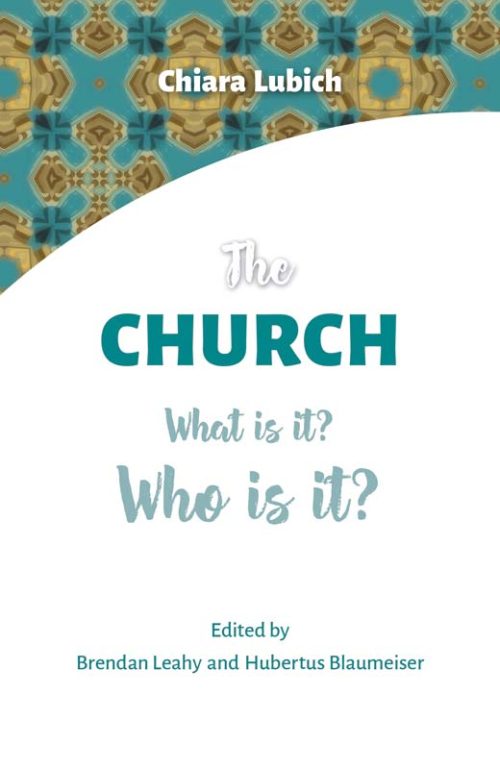
Chiara Lubich sees the Church as a living reality, an event of communion, and she gives a stimulating answer to the question, ‘What is the Church?’ She responds that it is not a ‘what’ but a ‘who’ because the Church is Jesus in the midst of his people. And the task of the Church is to be, within humanity, a catalyst for unity.
-
This collection of texts highlights the powerful action of the Holy Spirit at the beginning of the Focolare Movement. It helps us to enter into the intimacy of Chiara Lubich’s relationship with the Holy Spirit and how she communicated to others her passion that he, the ‘unknown God’ may be known, welcomed and loved.
-
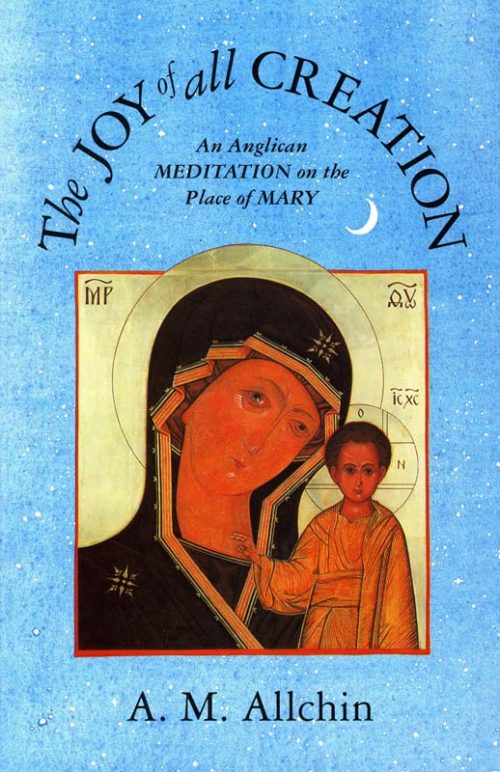
This book studies an often neglected strand of Anglican theological thought, but one which will speak to Christians of all traditions. It shows how issues to do with Mary and her place in salvation history are highly relevant to contemporary concerns.
-
This book looks at three aspects of a single mystery: the Word, the Eucharist and the presence of Jesus among those gathered in his name.
-
Jesus’s new commandment is one of the cardinal points of the Focolare Spirituality: ‘I give you a new commandment, that you love one another. Just as I have loved you, you also should love one another’ (Jn 13:34). The new commandment is one of those wondrous gifts that Jesus ‘held hidden in his heart’ only to reveal them on the last day of his life on earth.
-
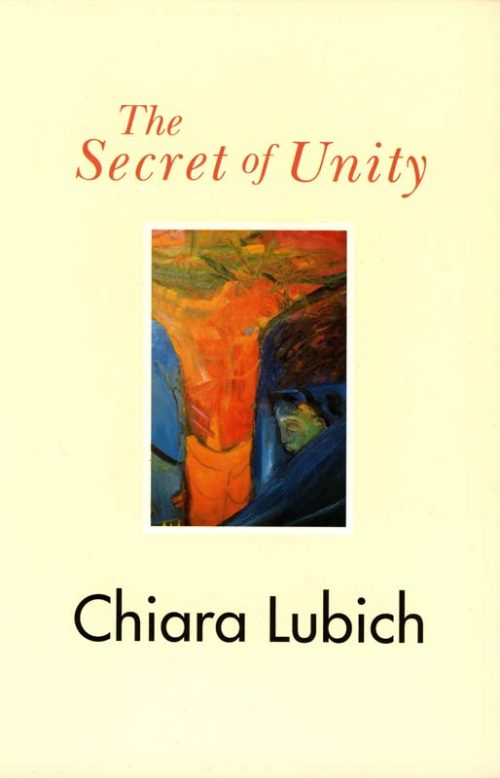
Unity and Jesus Forsaken, the twin themes of this book, are two sides of the same coin. They sum up the core of the Christian message. Exploring them is to explore the richness found in the person of Jesus.
-
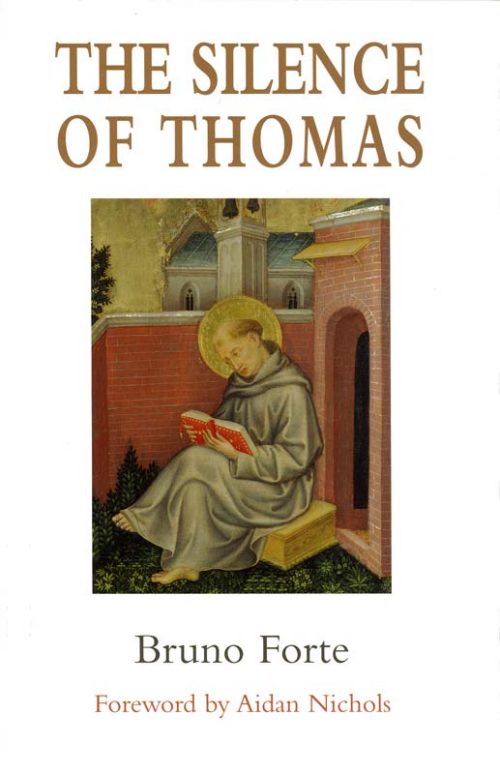
The author offers us the chance to taste something of the mysterious silence of Thomas shortly before his death. The beauty of the words in poetic form take us beyond the limitations of words and usher us into the silence where the Word speaks.
-
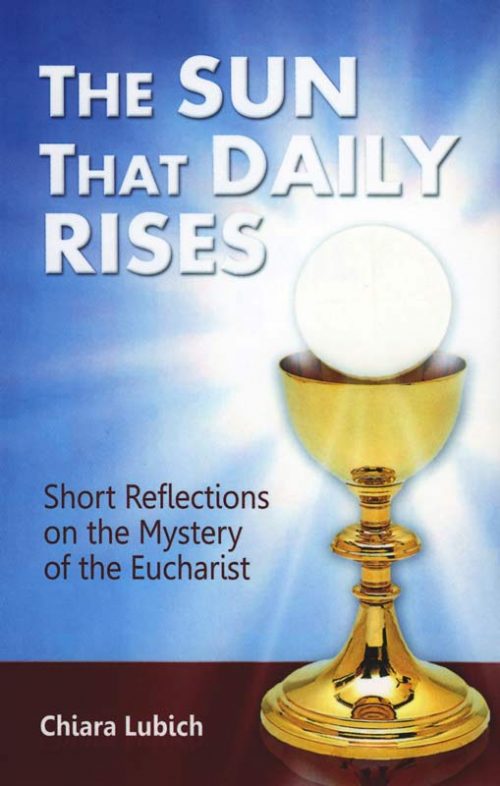
The excerpts on the Eucharist from Chiara Lubich’s writings that are collected here reflect the deep union with God that she experienced both as an individual and as a living member of the Body of Christ which is the Church.
-
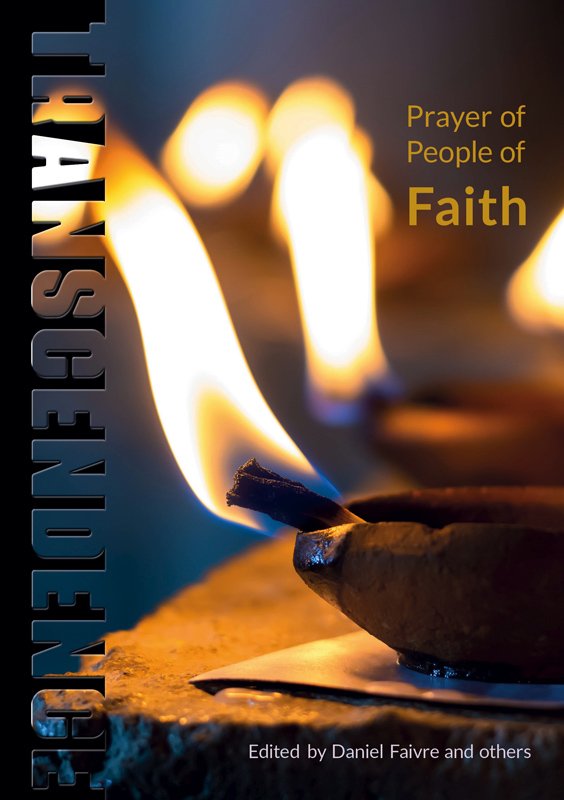
This book is a careful selection of prayers and sacred texts on various themes from a wide range of religious and cultural traditions. Its editor, Brother Daniel, devoted most of his life to building bridges between the different faiths.
-
The author affirms that beyond the shallow ‘values’ of the everyday world lies true meaning which makes life fulfilling, ecstatic and liberating.
-
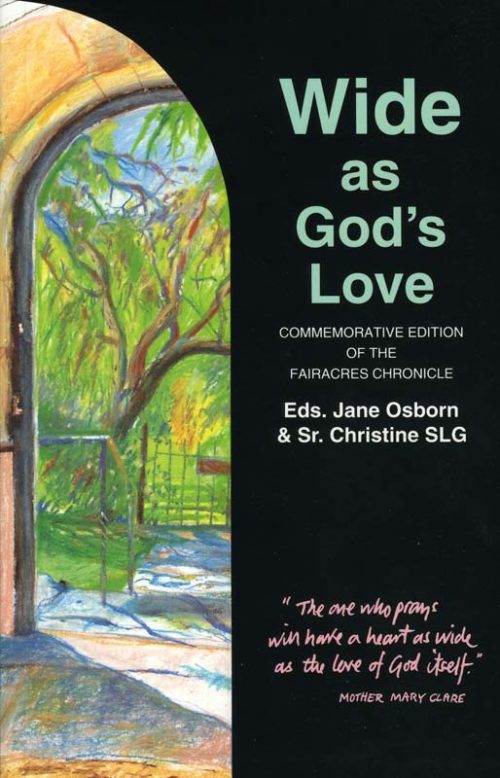
The heart yearns for open spaces, for the infinity that can only be found in God. This collection from the Fairacres Chronicle shows how the life of prayer leads to the discovery of the very infinity that the heart craves.
-
The volume of Words of Life is more than a commentary on the gospel message, it is a charismatic reading, an intuition, and an invitation to put the words of Scripture into practice in everyday life. It is part of a series of 13 books.
-
In this collection of spiritual reflections Chiara Lubich explores man's aspiration to share in the life of God. The challenge of the Gospel is clear-cut: let your yes be yes and your no, no ... he who is not with me is against me. Whether reviewing the life of a great saint such as Catherine of Siena or of the Indian spiritual leader Vinhoba Bhave, Chiara Lubich underlines that what counts is the quality of life as it is lived in each moment.